Resource & Capabilities



Fabrication & Processing
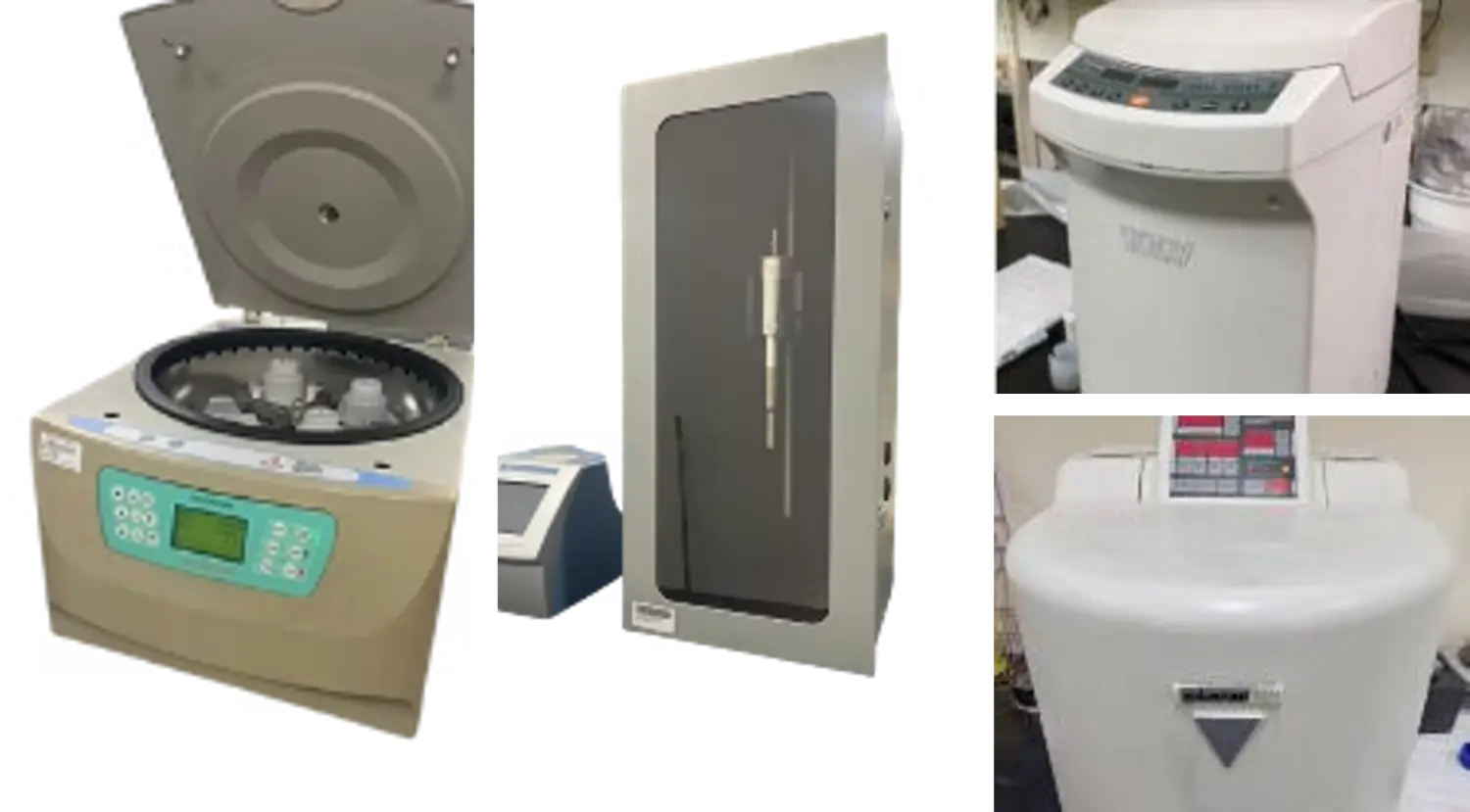
Material Synthesis & Homogenization
Precision preparation of precursors and catalyst inks is the foundation of our high-performance components.
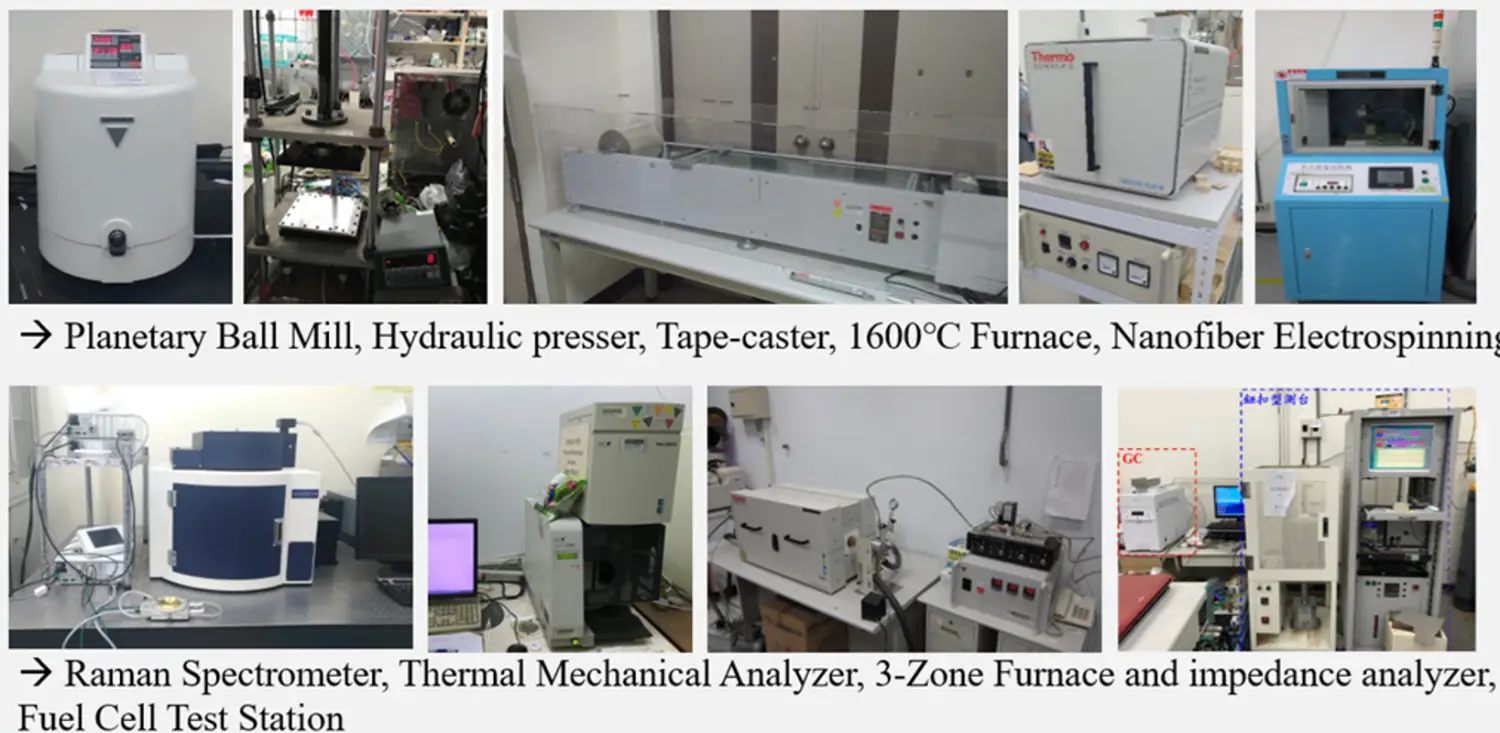
– High-Energy Ball Milling: Utilizing Planetary Ball Milling systems for effective particle size reduction and mechanochemical alloying.
– Advanced Dispersion: Featuring the Qsonica Q700 Touch-sensitive Ultrasonic Crusher and High-speed Homogenizers to ensure uniform, agglomerate-free slurry and ink formulations.
– Centrifugation: High-precision Centrifuge systems for phase separation and material purification.
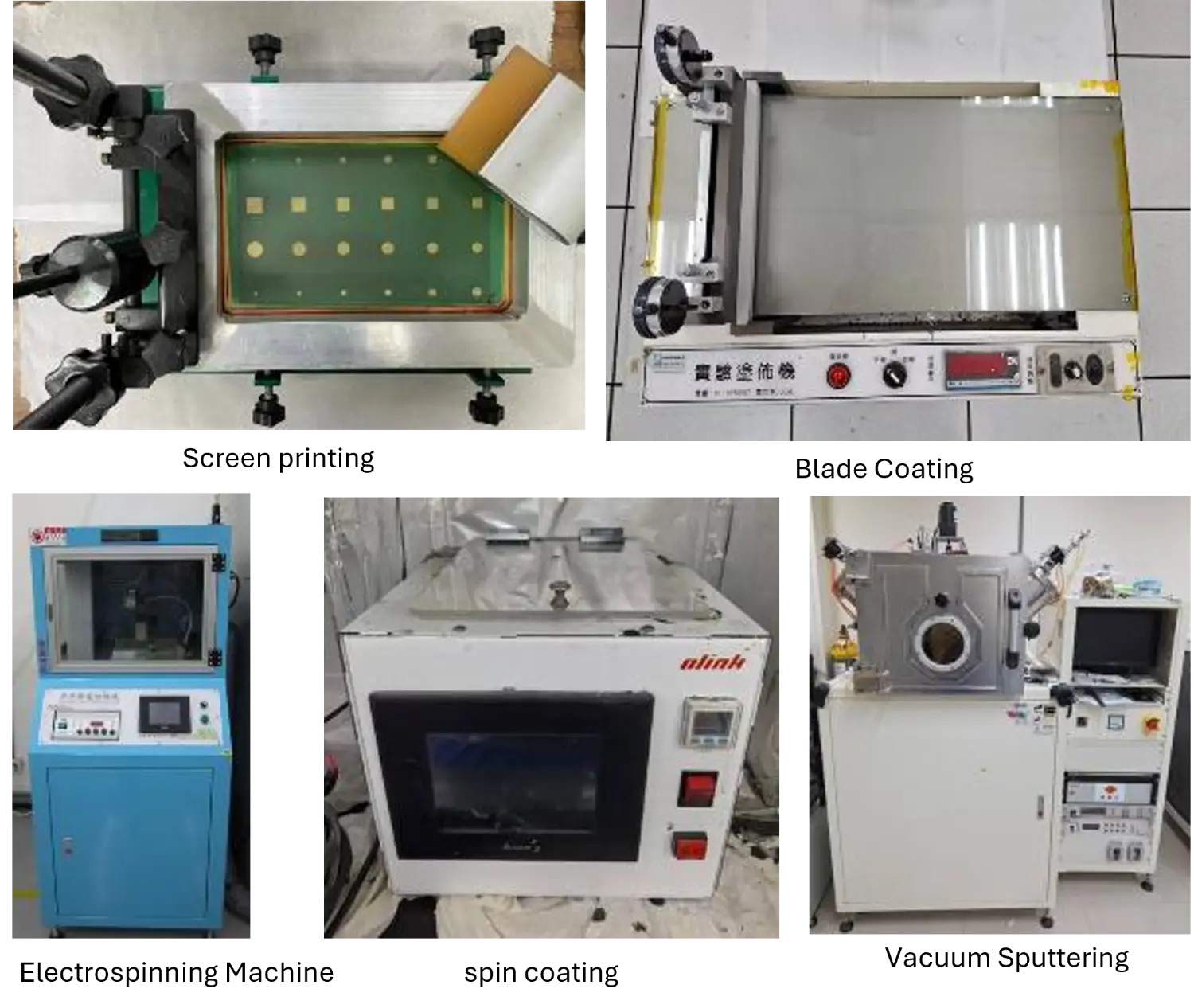
Advanced Coating & Fabrication
We have multiple pathways for thin-film deposition and electrode fabrication, ranging from bench-top prototypes to scalable processes.
– Scalable Electrode Coating: Equipped with Blade Coating (Tape-caster) and Screen Printing systems for high-uniformity, large-area catalyst layer deposition.
– Nanofiber Technology: An integrated Electrospinning Machine for the synthesis of 1D nanostructured materials and reinforced membrane frameworks.
– Precision Thin-Film Deposition: Spin Coating and Vacuum Sputtering systems for controlled layer thickness at the micro- and nano-scale.
Advanced Laser & Thermal Processing
State-of-the-art thermal treatment and laser-based techniques for precise material modification and micro-structuring.
– Laser Material Modification: Utilizing Laser Modification techniques to enhance surface properties, catalytic activity, and material durability.
– Pulsed Laser Deposition (PLD): High-energy laser ablation for the growth of high-quality crystalline thin films and complex oxide heterostructures.
– Laser Micromachining: Precision Laser Micromachining for the fabrication of micro-scale flow channels, textured surfaces, and intricate component geometries.
– Controlled Thermal Environment: Muffle Furnaces (up to 1600°C), 3-Zone Furnaces, and Vacuum Ovens for precise sintering, calcination, and degassing profiles.
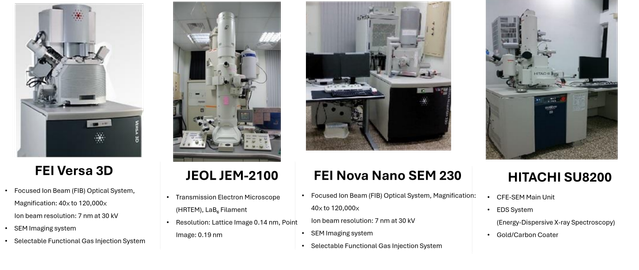
Electron Microscopy
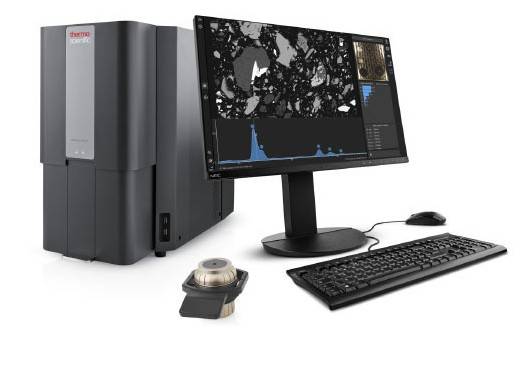
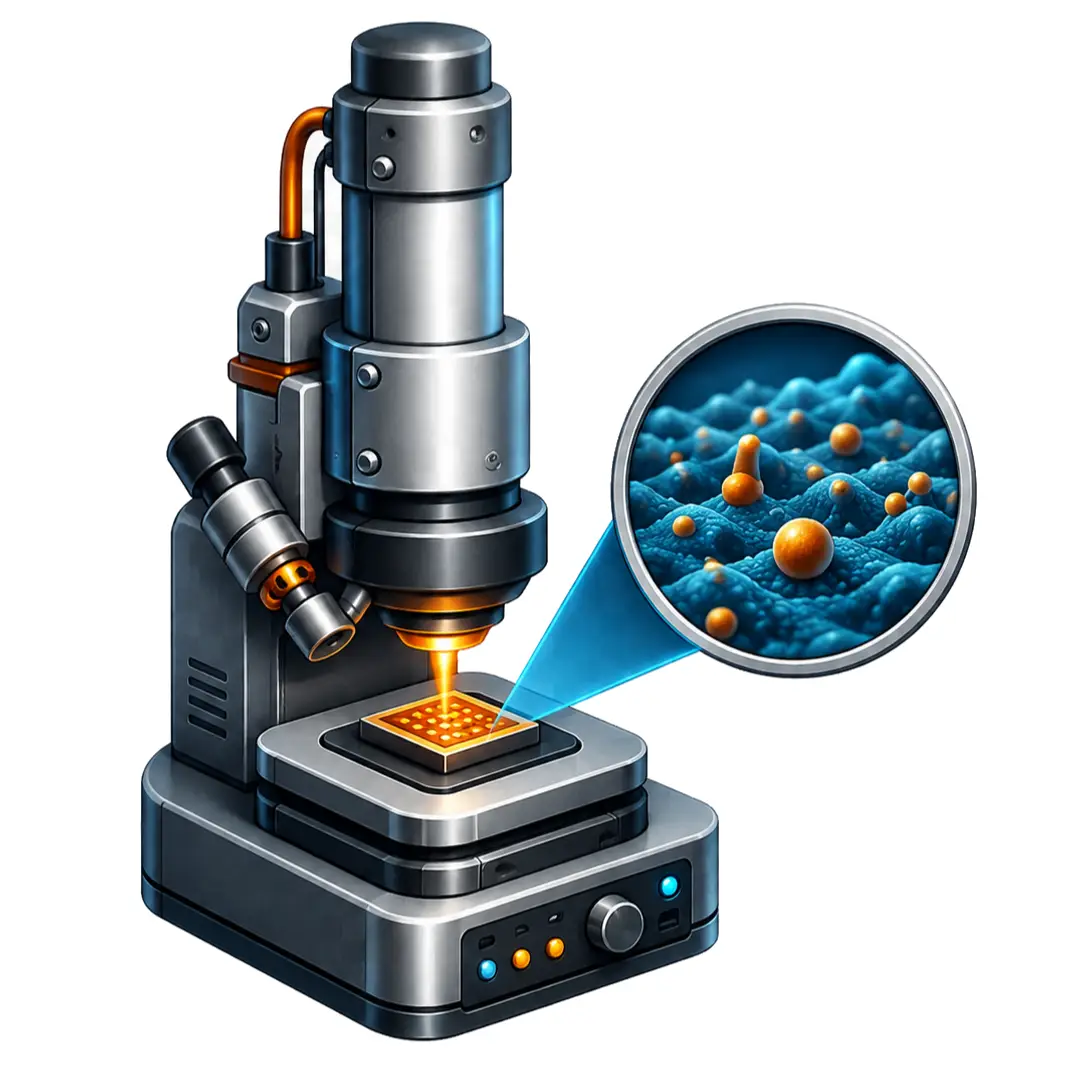
Rapid Desktop SEM (Phenom Pro X G6)
A high-performance Desktop SEM designed for rapid and reliable screening. It features integrated EDS for quick elemental analysis and a streamlined workflow for routine research tasks.
Advanced
Electron Microscopy
High-resolution imaging and micro-structuring capabilities, ranging from atomic-level analysis to rapid, reliable surface characterization.
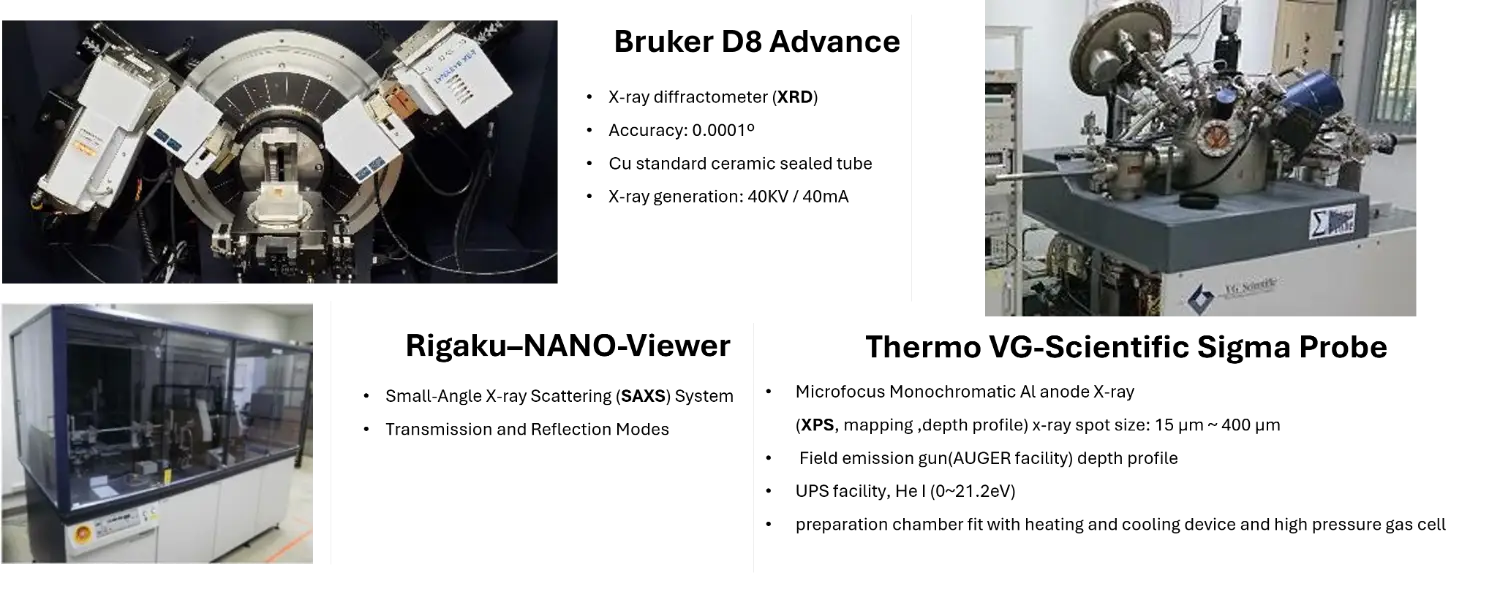
X-ray Spectroscopy
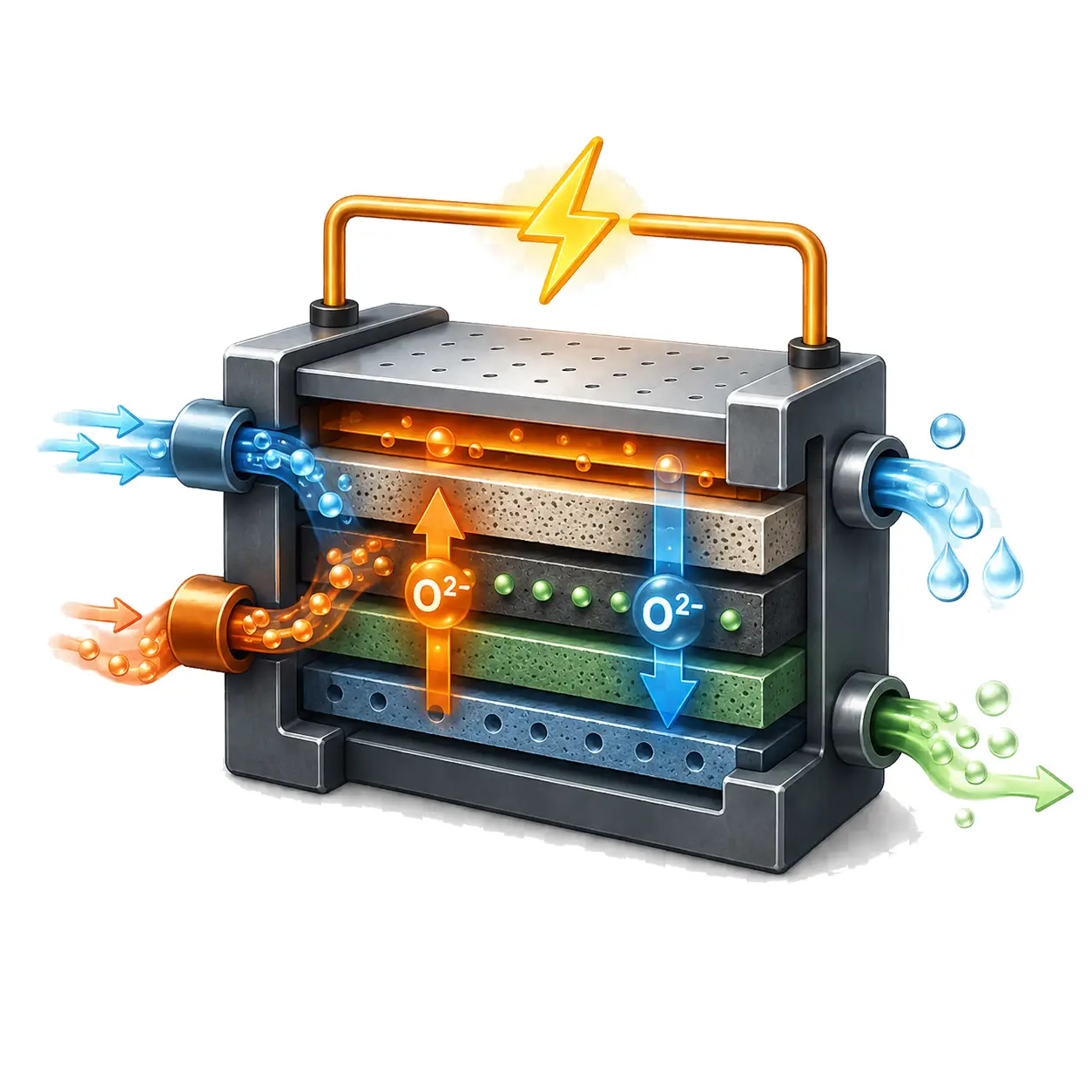
Solid Oxide Fuel cell / Electrolyzer and Test Station
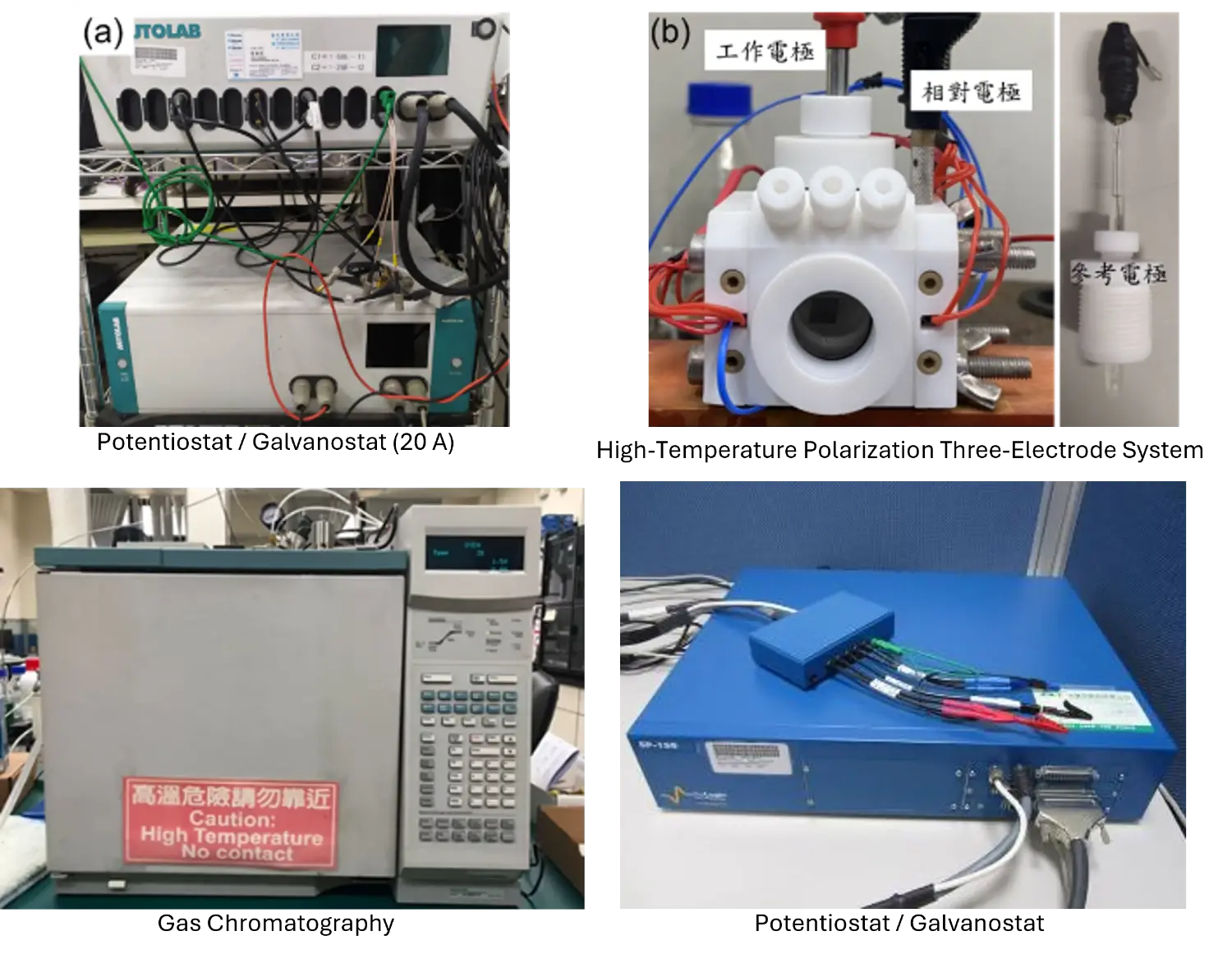
Electrochemical Testing & Analysis
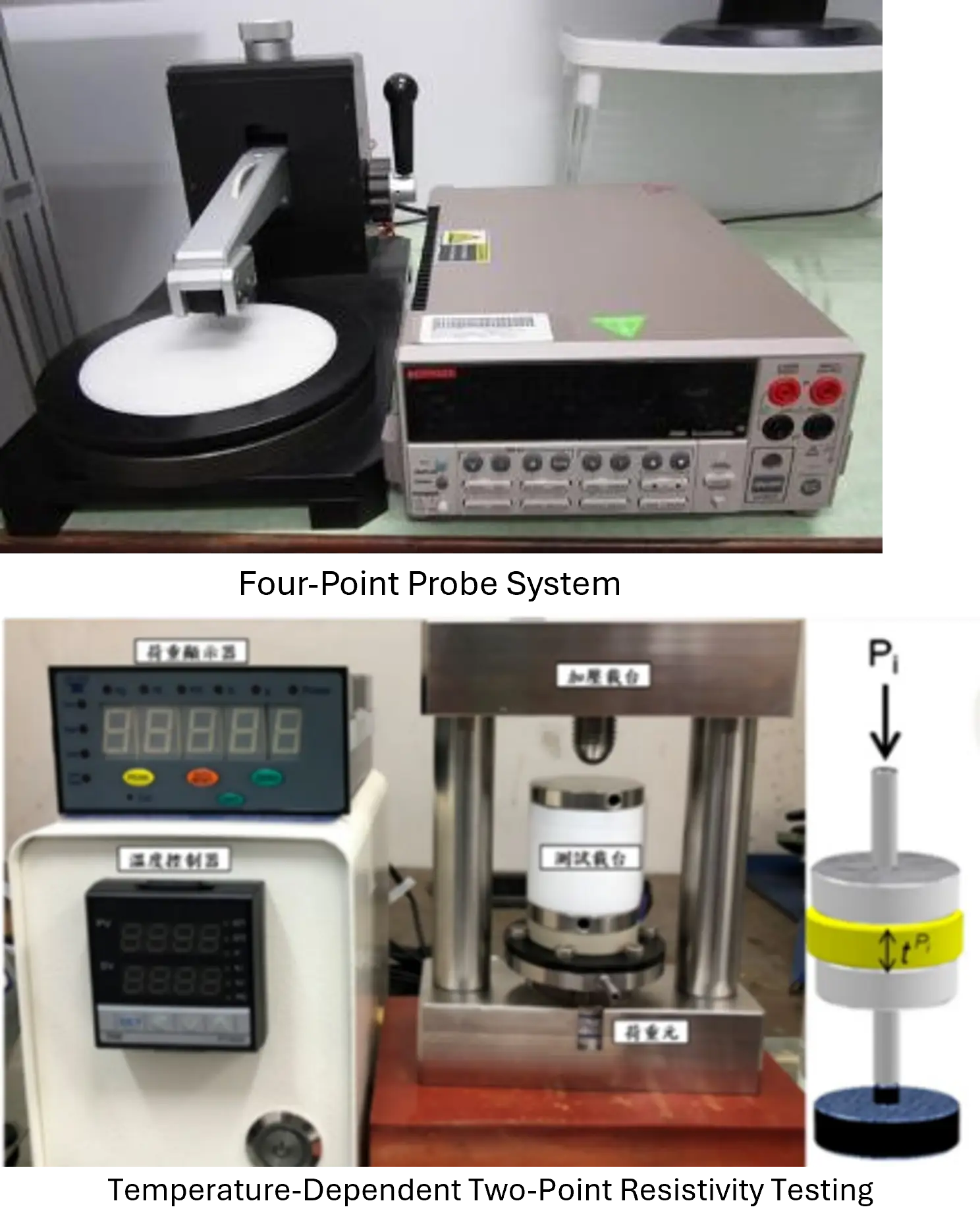
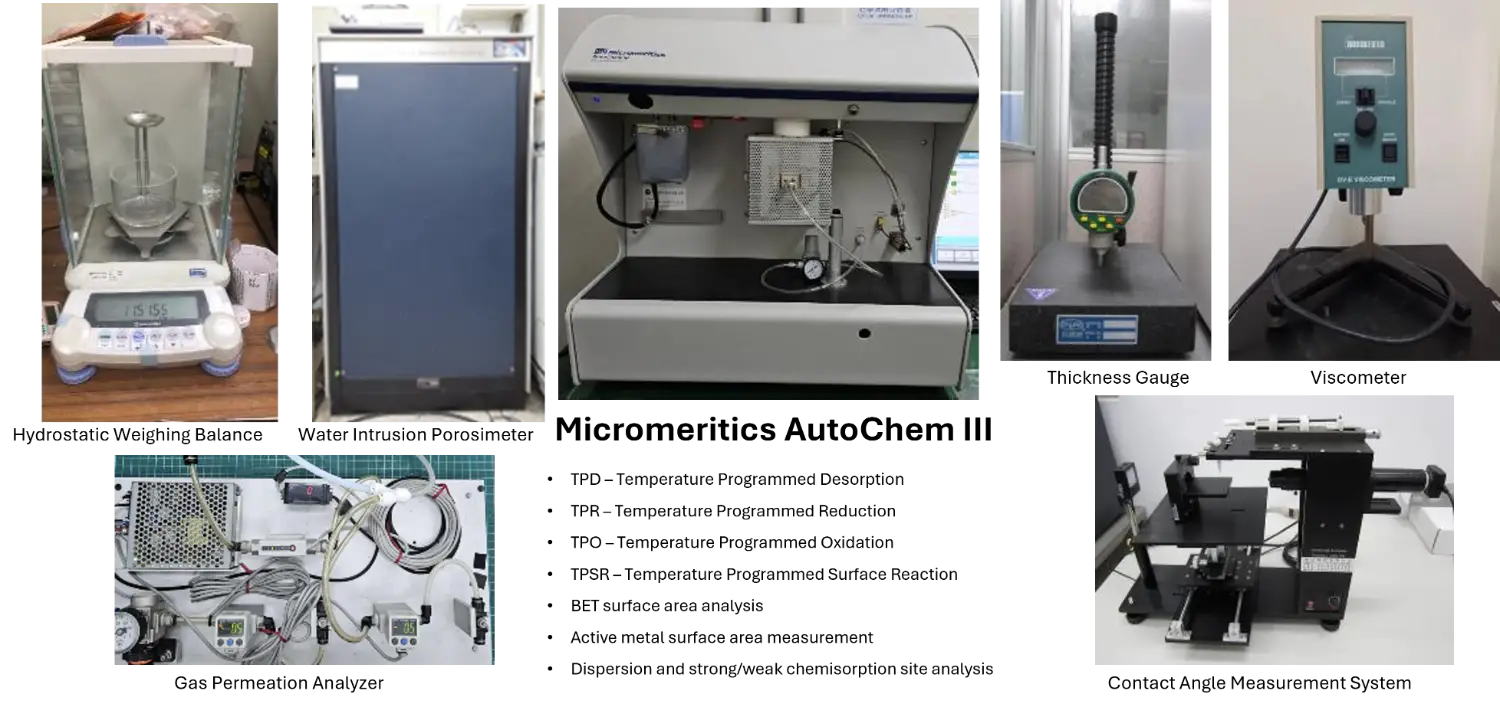
Properties Characterization
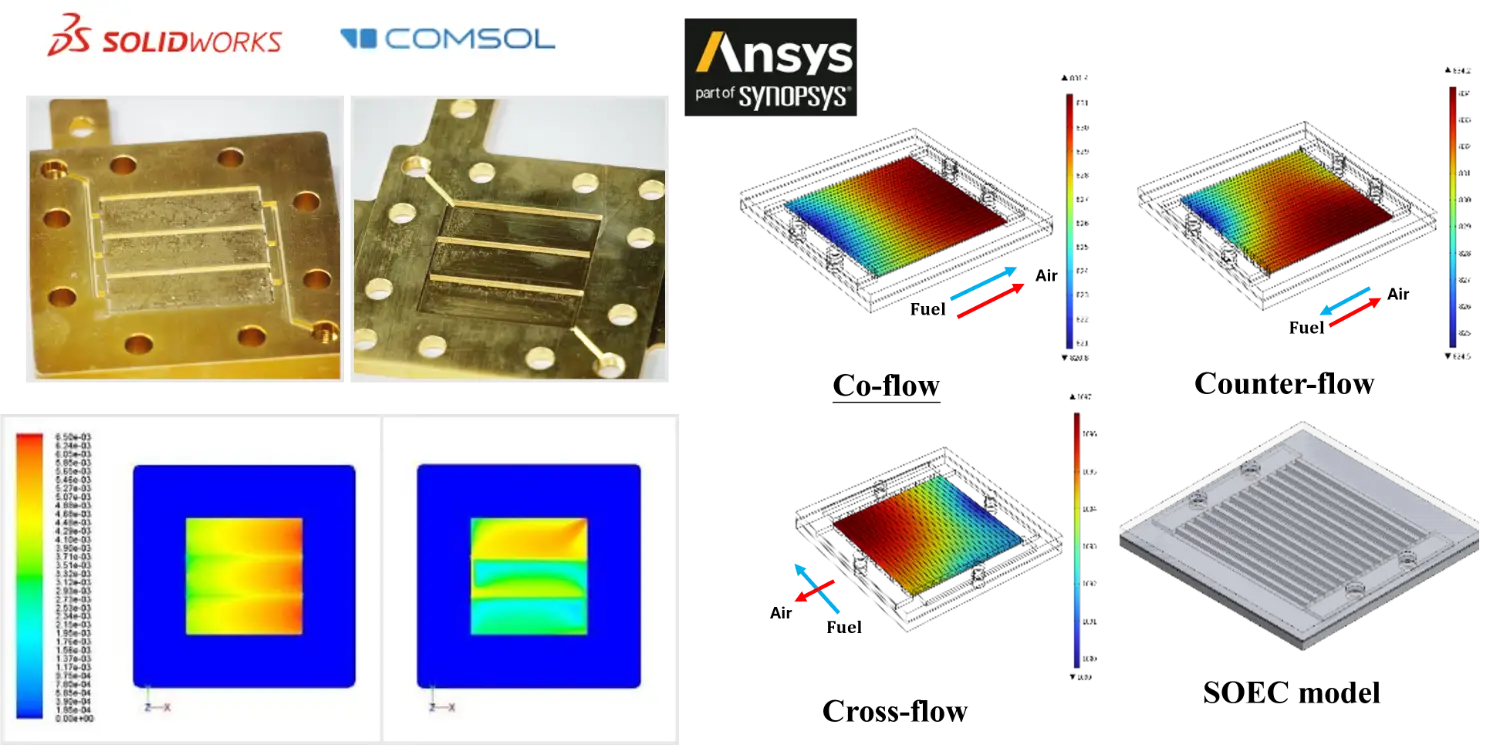
CFD simulation
Energy System Modeling
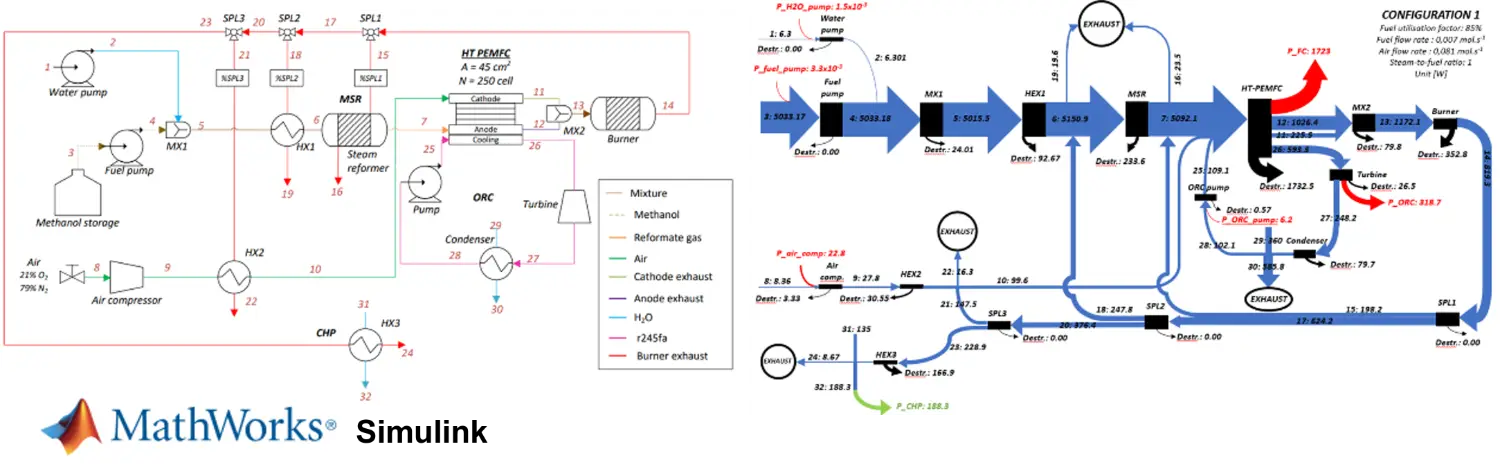
PEMFC
Theoretical Chemistry